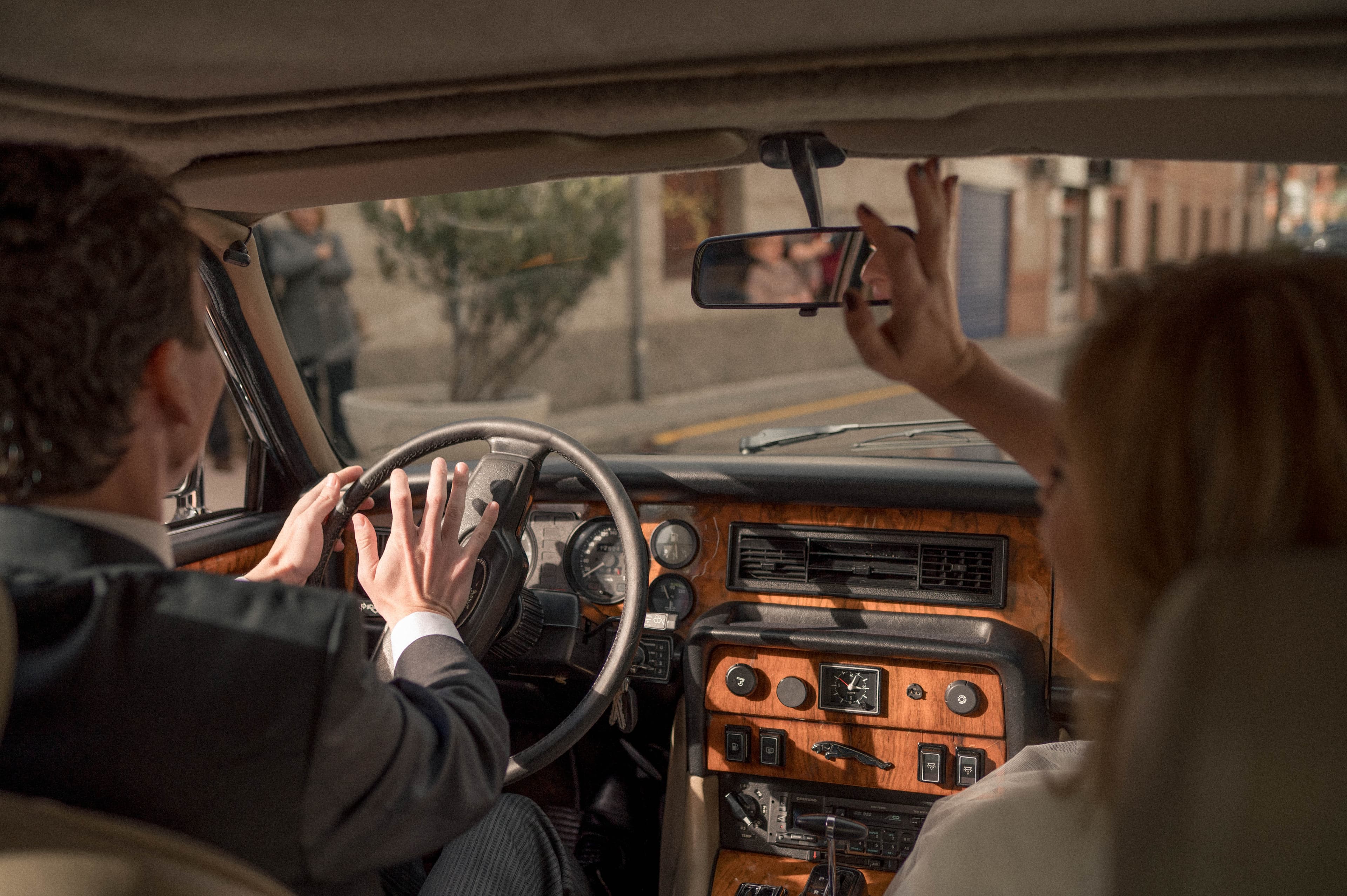

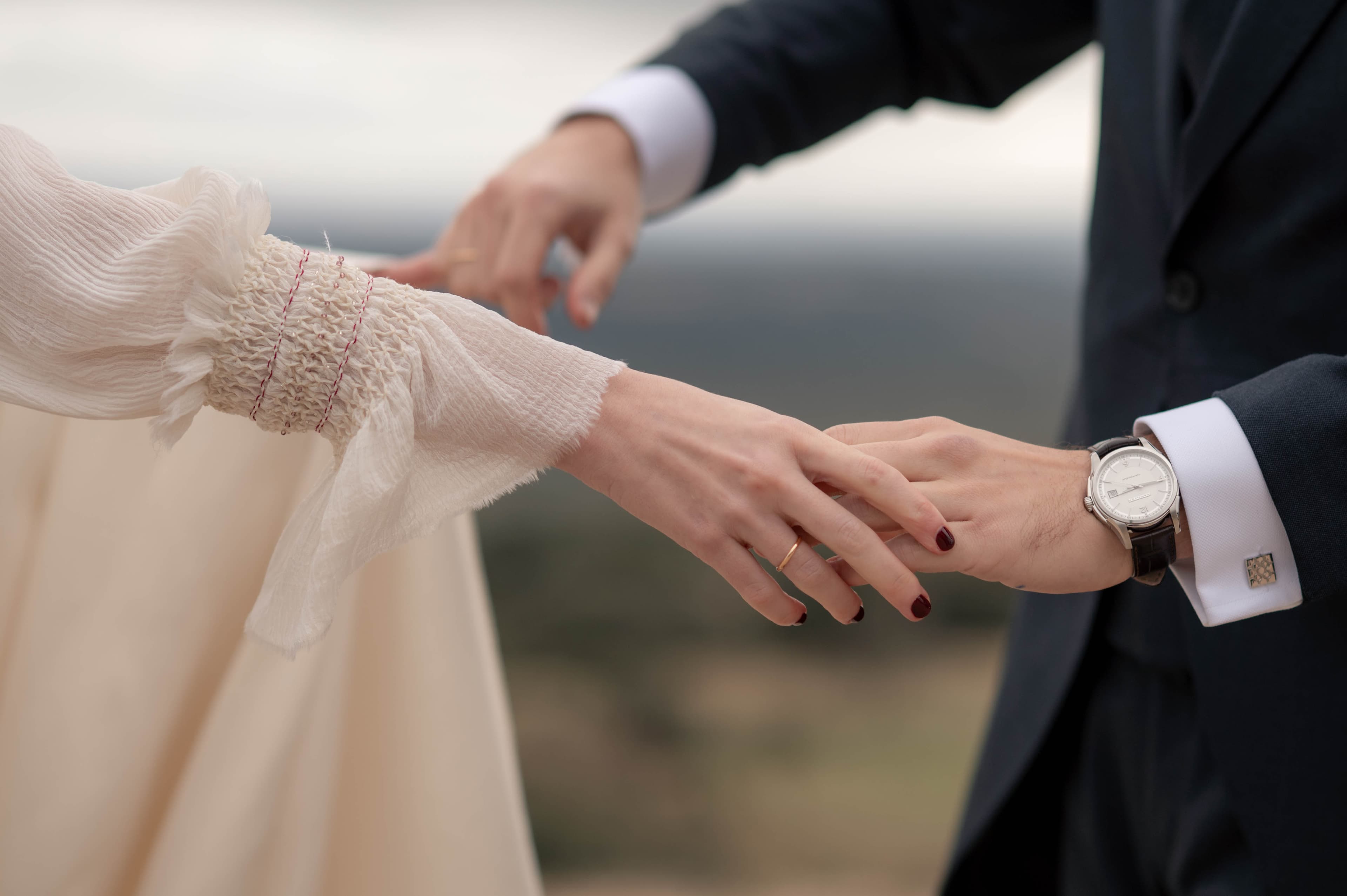
So you're thinking about getting married in Spain. Great choice. Between the weather, the food, the culture, and the stunning variety of venues, Spain has everything you could want for a destination wedding. But planning a celebration in another country comes with its own set of questions, and that's exactly what this guide is here to help with. From legal requirements to the best regions, weather patterns, and vendor tips, here's everything you need to know.
Legal Requirements
The legal side of getting married in Spain isn't complicated, but it does require some advance planning. Civil ceremonies require paperwork to be submitted at the local civil registry (Registro Civil) at least a few weeks before the wedding. You'll typically need birth certificates, passports, a certificate of no impediment from your home country, and sworn translations of any documents not in Spanish.
Church weddings require additional documentation from your parish. If you're not a Spanish resident, many couples choose to legally marry in their home country and then hold a symbolic or blessing ceremony in Spain, which simplifies the process significantly.
We always recommend working with a local wedding planner who can guide you through the paperwork for your specific situation. Rules can vary between regions.
Best Regions for a Destination Wedding
Andalusia
Whitewashed villages, olive groves, flamenco, and some of the best food in Spain. Seville, Marbella, Granada, and the Cadiz coast are all popular wedding destinations. The weather is hot in summer, so spring and early autumn are the sweet spot.
Catalonia
Barcelona and its surroundings offer a wonderful mix of coastline, countryside, and vibrant city culture. Catalan masias (farmhouses) are stunning wedding venues, and the food and wine scene is world-class.
Madrid Region
As the capital, Madrid offers excellent infrastructure, a huge range of luxury venues, and easy access for international guests flying in. Don't overlook the nearby Sierra de Guadarrama for beautiful mountain settings.
Balearic Islands
Mallorca, Ibiza, and Menorca each have their own personality. Mallorca offers mountain estates to beachfront celebrations. Ibiza is perfect for a relaxed, bohemian vibe. Menorca is quieter and more intimate.
Basque Country
For couples who prioritize gastronomy, the Basque Country is unbeatable. Green landscapes, coastal towns, and incredible restaurants make it a unique choice.
Weather Guide by Season
Spain's climate varies significantly by region, which is a huge advantage for planning.
Spring (March to May) is ideal across most of the country, with mild temperatures, wildflowers, and long daylight hours. Summer (June to August) is hot in the south and inland, but coastal and northern regions stay pleasant. Autumn (September to November) brings warm days with beautiful golden light, especially in October, which many photographers consider the best month in Spain. Winter (December to February) is mild in the south and the Canary Islands, making winter weddings with outdoor elements entirely possible.
Budget Planning
Spain offers excellent value compared to other luxury European destinations like France or Italy. A high-end wedding for 100 guests typically ranges from 30,000 to 80,000 euros, depending on the region, venue, and services. Andalusia and central Spain tend to be more affordable than Barcelona or the Balearic Islands.
Key budget items include the venue, catering (usually the largest single expense), photography, florals, music, and wedding planning services. If you're bringing guests from abroad, consider venues with on-site accommodation to simplify logistics.
Finding the Right Vendors
One of the best things about Spain's wedding industry is how professional and creative the vendor community has become. Start with a local wedding planner. They'll save you time, stress, and often money by knowing the best suppliers and negotiating in Spanish on your behalf.
For photography, look for someone who knows Spain well and has experience at your type of venue. A photographer who understands the local light, landscapes, and pace of a Spanish celebration will give you much better results than someone flying in cold.
Book your key vendors at least 9 to 12 months in advance, especially for popular months like May, June, September, and October.
Cultural Customs to Know
Spanish weddings tend to run late by northern European standards. Dinner often starts at 9 or 10 PM, and the party can go well past 3 AM. Embrace it. Spanish wedding food is typically a multi-course sit-down affair, and the quality is usually outstanding. Many couples incorporate a cocktail hour with canapes before dinner, which creates great opportunities for mingling and candid photos.
Ready to Start Planning?
Planning a destination wedding in Spain is one of the most exciting projects you'll ever take on. And having the right team makes everything easier. At So'Bless, we're based in Madrid and photograph weddings across Spain and beyond. We know the venues, the vendors, the light, and the culture. If Spain is calling your name, get in touch and let's create something unforgettable together.
Planning your own wedding? Let's talk.
Get in Touch