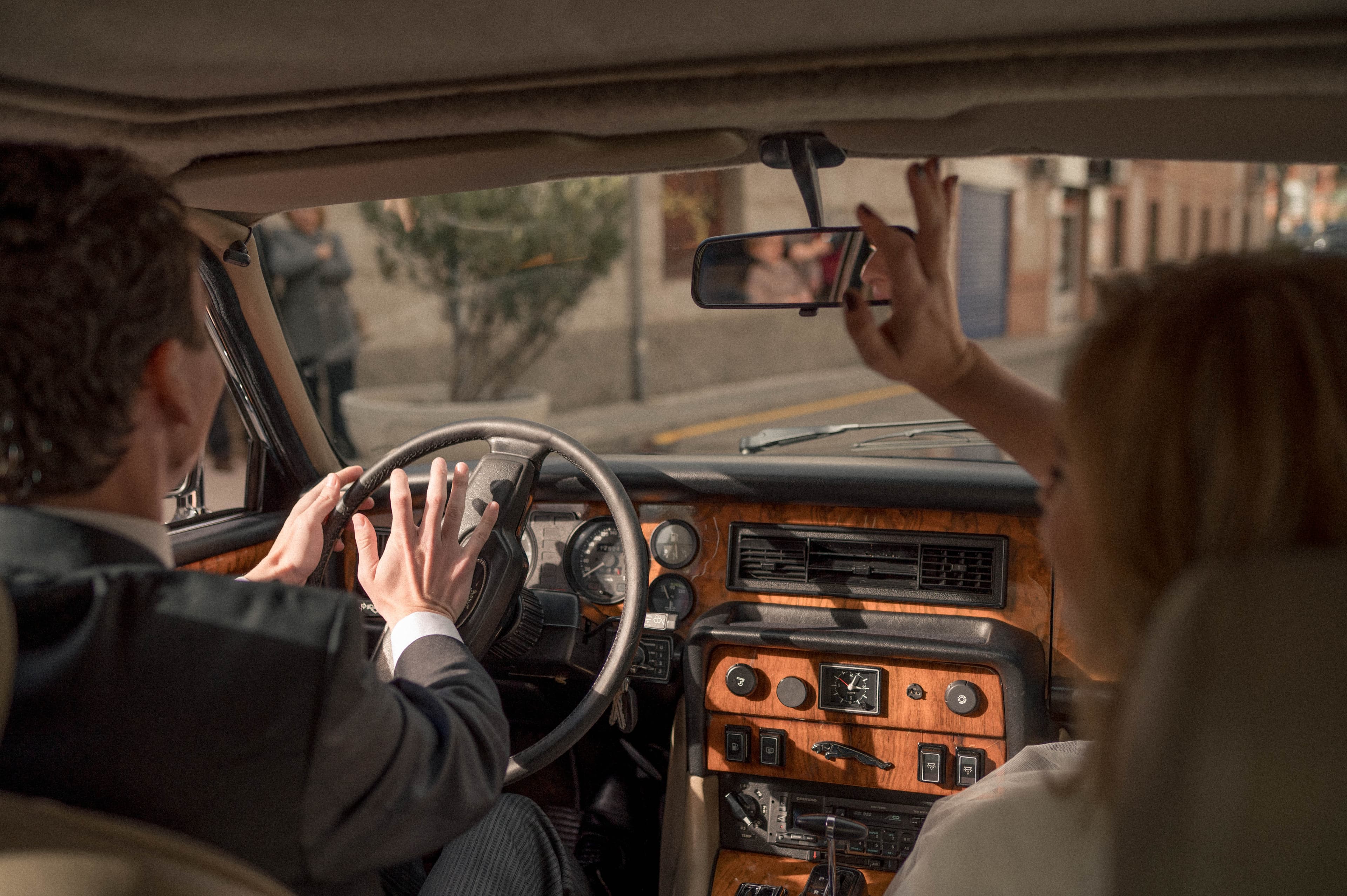
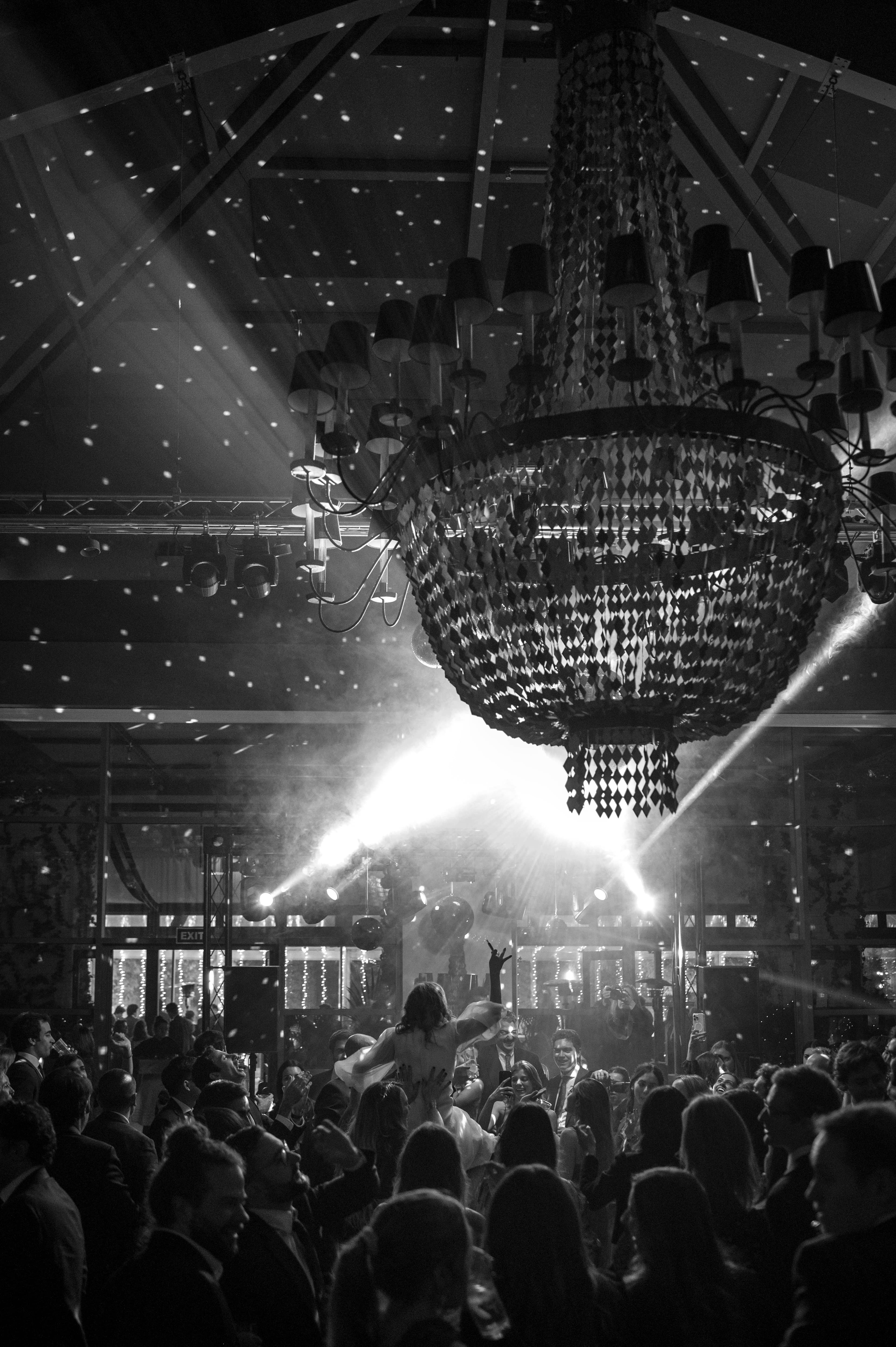
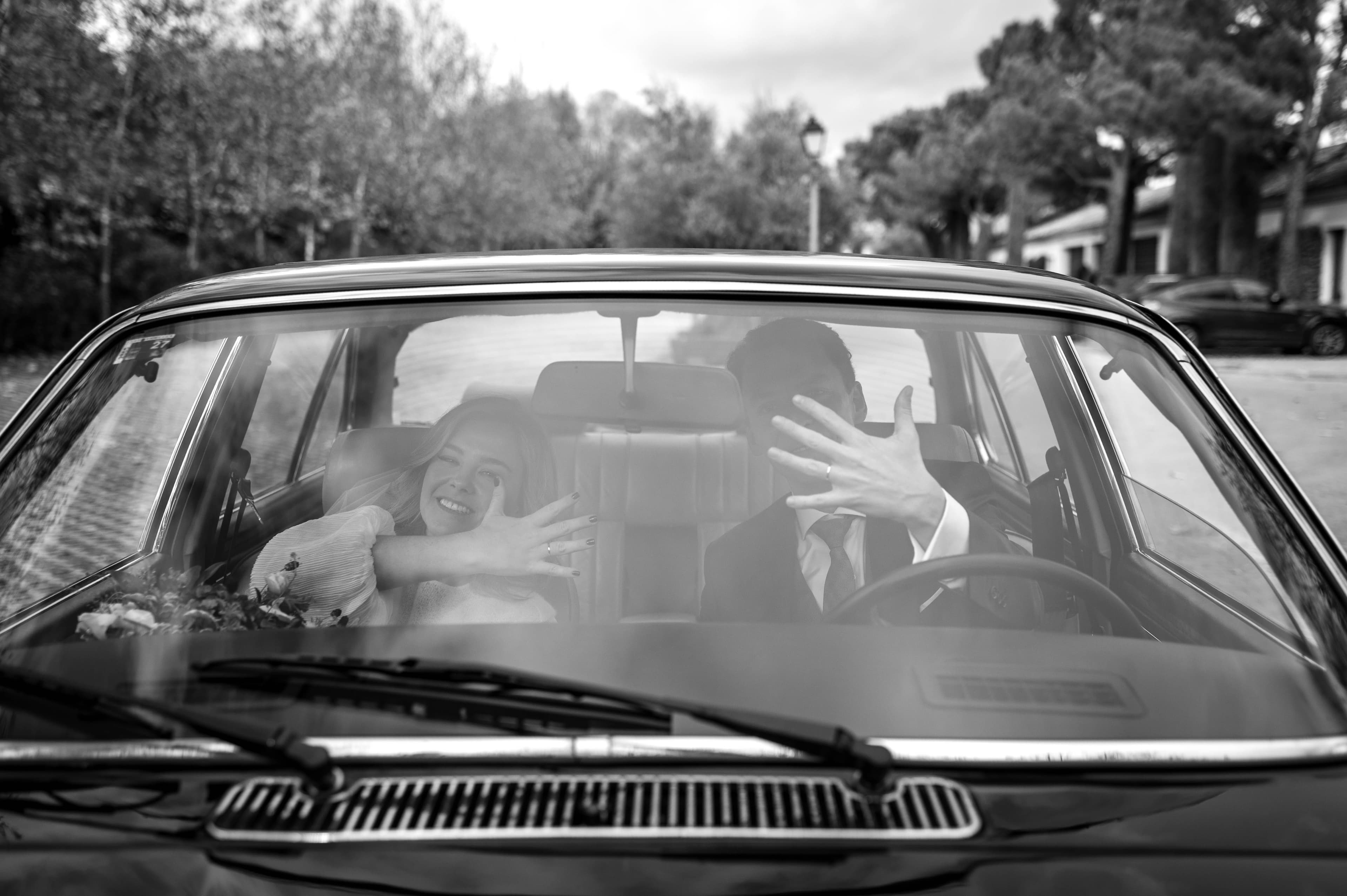
Every year, a steady number of couples from the United States and the United Kingdom choose to marry in Spain rather than at home. Some have a family connection to the country. Others arrive at it through travel, through a wedding they attended as a guest, or simply through the particular quality of light that falls across a Spanish courtyard in the late afternoon. Whatever brings them here, planning a wedding from another country introduces questions that a couple marrying in their hometown never has to ask.
Why Spain
The appeal is easy to name and harder to fully explain. The light is part of it: long, warm evenings from late spring through early autumn, and a golden hour that stretches rather than flares. The food is part of it too, not as spectacle but as a genuine culinary culture that guests remember years later. And the range of settings is wide. A couple might marry in a palacio with courtyards and stone staircases, or in a finca surrounded by olive groves and vineyards, or along a stretch of coastline where the ceremony ends at the point the sky changes colour. None of these settings need be grand to work. What they share is a sense of place that feels considered rather than generic.
The legal ceremony, and the one everyone attends
Most foreign couples marrying in Spain hold two ceremonies: a legal one, often completed at home before or after travel, and a symbolic one in Spain, in front of family and friends, with no binding paperwork attached. This is common practice, not a workaround, and it exists because marrying legally as a foreign national in Spain can involve residency requirements, translated and apostilled documents, and timelines that do not always suit a couple planning from abroad. The details vary by nationality and by which country's marriage will later be recognised, so this is worth confirming early with a wedding planner familiar with international couples, or with the relevant consulate, rather than assuming either path in advance.
A realistic timeline from abroad
Planning across a time difference and an ocean takes longer than planning locally, mostly because decisions that would take a week at home take a month when they depend on someone else's working hours. A twelve-month runway is a comfortable standard. In the first few months, the venue and date are set, along with the planner if the couple is working with one. The middle stretch covers the vendors that need lead time: catering, music, florals, and photography. The final months are for the details that only make sense once the shape of the day is settled, and for a visit to Spain, if one is possible, before the wedding itself.
Working with someone who is already here
A planner based in Spain brings something that cannot be replicated remotely: a working relationship with venues, suppliers, and local regulations, plus the ability to walk a site rather than review it through photographs. For couples planning from a different continent, this local presence often matters more than any other single decision they make.
Why the photographer should be local too
It is possible to fly a photographer in from home, and some couples do. But a photographer based in Spain already knows how the light moves across a specific coastline in September, or through a particular courtyard at seven in the evening. There are no international travel fees to budget for, no jet lag on the wedding day itself, and, for couples whose families speak different languages, a bilingual photographer can direct a room without a translator standing between the instruction and the person receiving it.
Film, and how it travels
Couples who choose film for part or all of their coverage sometimes worry about how the medium survives international travel, particularly the airport scanners that can fog undeveloped rolls. Working with a Spain-based studio removes that concern from the day entirely: the film is shot, developed, and scanned locally, and the couple receives finished images rather than undeveloped rolls that need to clear customs and an X-ray machine on the way home.
Timing the day the Spanish way
Spanish weddings tend to run later than their American or British equivalents. Ceremonies often begin in the early evening rather than at midday, dinner starts later still, and the celebration can continue well past midnight. This rhythm is worth building into the plan from the start rather than adjusting to on the day, because it changes everything from the light available for portraits to when the golden hour actually falls, and to what a photography timeline needs to cover.
Planning your own wedding? Let's talk.
Get in Touch